Best healthcare CRM software sets the stage for this enthralling narrative, offering readers a glimpse into a story that is rich in detail and brimming with originality from the outset. In the dynamic world of healthcare, where patient care is paramount, efficient communication and management are essential. This is where best healthcare CRM software emerges as a game-changer, empowering healthcare providers to deliver exceptional patient experiences while optimizing operational efficiency.
Healthcare CRM software acts as a centralized hub for managing patient interactions, appointments, communication, and data. By consolidating critical information, healthcare providers gain a comprehensive view of their patients, enabling them to personalize care, improve communication, and enhance overall patient satisfaction. This software streamlines operations, freeing up valuable time for healthcare professionals to focus on what matters most: providing quality care.
Introduction to Healthcare CRM Software
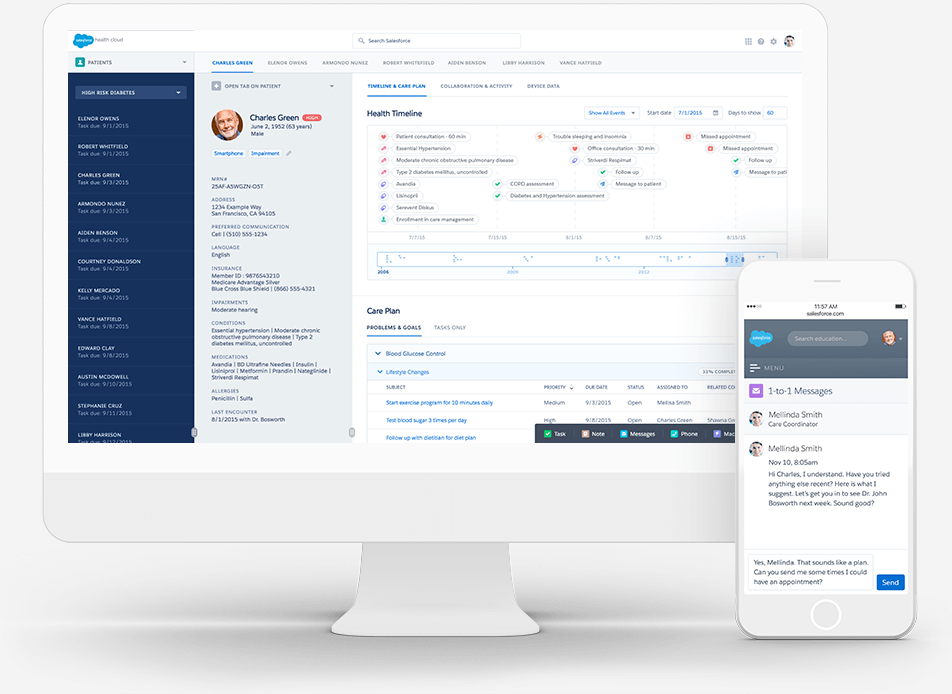
Healthcare CRM software is a specialized type of customer relationship management (CRM) system designed specifically for the healthcare industry. It helps healthcare providers manage their interactions with patients, improve patient engagement, streamline operations, and enhance overall patient care.
Healthcare CRM software plays a crucial role in the modern healthcare landscape by enabling healthcare providers to centralize patient data, automate processes, and improve communication. It helps providers to deliver personalized care, optimize resource allocation, and achieve better outcomes.
Benefits of Using Healthcare CRM Software, Best healthcare crm software
Using healthcare CRM software offers several benefits for healthcare providers, including:
- Enhanced Patient Engagement: Healthcare CRM software allows providers to personalize patient interactions, send targeted communications, and provide a more engaging patient experience. This can lead to increased patient satisfaction, improved adherence to treatment plans, and better overall health outcomes.
- Improved Patient Retention: By providing a seamless and personalized patient experience, healthcare CRM software can help providers retain existing patients. This can reduce patient churn and ensure a steady flow of revenue.
- Streamlined Operations: Healthcare CRM software automates administrative tasks, such as appointment scheduling, billing, and communication, freeing up healthcare professionals to focus on patient care. This can improve efficiency and reduce operational costs.
- Data-Driven Insights: Healthcare CRM software collects and analyzes patient data, providing valuable insights into patient behavior, treatment effectiveness, and operational performance. This data can be used to improve care delivery, optimize resource allocation, and identify areas for improvement.
- Increased Revenue: By improving patient engagement, streamlining operations, and generating data-driven insights, healthcare CRM software can help providers increase revenue and profitability.
Key Features and Functionalities
Healthcare CRM software typically includes a range of features and functionalities designed to meet the specific needs of healthcare providers. Some of the key features include:
- Patient Database: A centralized repository of patient information, including demographics, medical history, insurance details, and appointment records.
- Communication Tools: Features for sending personalized emails, SMS messages, and automated appointment reminders.
- Appointment Scheduling: Tools for scheduling appointments, managing patient flow, and minimizing wait times.
- Billing and Invoicing: Features for generating invoices, tracking payments, and managing billing processes.
- Reporting and Analytics: Tools for generating reports on patient engagement, treatment outcomes, and operational performance.
- Integration with Other Systems: The ability to integrate with other healthcare systems, such as electronic health records (EHRs) and practice management software.
Choosing the Right Healthcare CRM Software: Best Healthcare Crm Software

Selecting the right healthcare CRM software is crucial for optimizing patient engagement, streamlining operations, and improving overall healthcare delivery. The ideal software solution should seamlessly integrate with your existing systems, align with your practice’s specific needs, and provide robust features that enhance efficiency and patient satisfaction.
Factors to Consider When Choosing Healthcare CRM Software
Several key factors should be considered when selecting healthcare CRM software to ensure a successful implementation and positive impact on your practice.
- Size and Type of Healthcare Practice: The size and type of your practice will influence your CRM software needs. A small, single-provider practice may require a simpler solution compared to a large multi-specialty group. Consider the number of patients, providers, and staff, as well as the complexity of your practice’s operations.
- Budget and Resources: Healthcare CRM software comes in various price ranges. Evaluate your budget and available resources to determine the appropriate investment level. Consider the ongoing costs, such as implementation, training, and maintenance, in addition to the initial purchase price.
- Specific Features and Functionalities Required: Identify the specific features and functionalities that are essential for your practice. This may include patient scheduling, appointment reminders, electronic health records (EHR) integration, patient communication tools, marketing automation, and reporting capabilities. Prioritize features based on your practice’s unique needs and workflows.
- Integration with Existing Systems: Seamless integration with your existing systems, such as EHR, billing software, and practice management software, is crucial for data consistency and efficiency. Ensure that the CRM software you choose offers compatible integrations to avoid data silos and streamline workflows.
- Data Security and Compliance Requirements: Healthcare data is highly sensitive, requiring strict security measures and compliance with regulations such as HIPAA. Choose a CRM software provider that adheres to industry best practices for data security and privacy, offering features like data encryption, access control, and audit trails.
Criteria to Evaluate Healthcare CRM Software Options
To make an informed decision, use the following criteria to evaluate different healthcare CRM software options:
- User Friendliness: The software should be intuitive and easy to use for both providers and staff. Consider features like a user-friendly interface, comprehensive training resources, and responsive customer support.
- Scalability and Flexibility: The software should be able to accommodate your practice’s growth and changing needs. Look for solutions that offer scalability options, allowing you to adjust features and functionalities as your practice expands.
- Customization Options: The software should allow you to customize workflows, reports, and communication templates to align with your practice’s specific requirements. This ensures that the CRM solution fits your unique needs and enhances efficiency.
- Mobile Accessibility: Consider the availability of a mobile app that allows providers and staff to access patient information and manage tasks from anywhere, anytime. This enhances flexibility and improves communication with patients.
- Customer Support and Training: Choose a provider that offers comprehensive customer support and training resources to ensure a smooth implementation and ongoing assistance. Look for options like live chat, phone support, and online documentation.
- Reputation and Reviews: Research the software provider’s reputation and read reviews from other healthcare practices. This provides valuable insights into the software’s performance, reliability, and customer satisfaction.
- Pricing and Value: Compare pricing models and features to determine the best value for your investment. Consider factors like subscription fees, implementation costs, and ongoing maintenance expenses.
Trends in Healthcare CRM Software

The healthcare CRM landscape is constantly evolving, driven by technological advancements and changing patient expectations. As a result, healthcare providers are adopting new technologies and strategies to improve patient engagement, optimize operations, and enhance overall healthcare delivery.
Artificial Intelligence (AI) and Machine Learning (ML)
AI and ML are revolutionizing healthcare CRM by automating tasks, improving decision-making, and personalizing patient interactions.
- Predictive Analytics: AI algorithms can analyze patient data to predict potential health risks, identify patients at risk of readmission, and optimize appointment scheduling. This allows healthcare providers to proactively intervene and improve patient outcomes.
- Chatbots and Virtual Assistants: AI-powered chatbots can provide instant answers to patient inquiries, schedule appointments, and offer personalized health recommendations. This frees up healthcare professionals to focus on more complex tasks.
- Personalized Treatment Plans: ML algorithms can analyze patient data to develop customized treatment plans tailored to individual needs and preferences. This helps improve treatment adherence and patient satisfaction.
Cloud-Based Solutions
Cloud-based healthcare CRM solutions offer several advantages, including scalability, accessibility, and cost-effectiveness.
- Scalability: Cloud solutions can easily scale to accommodate growing patient volumes and data requirements, without the need for significant upfront investments in infrastructure.
- Accessibility: Healthcare providers can access their CRM data from any device with an internet connection, enabling them to manage patient interactions and track performance remotely.
- Cost-Effectiveness: Cloud-based solutions eliminate the need for expensive hardware and software maintenance, reducing overall costs.
Mobile Accessibility
Mobile-friendly healthcare CRM solutions allow patients to access their medical records, schedule appointments, and communicate with healthcare providers from their smartphones or tablets.
- Patient Engagement: Mobile apps provide a convenient and accessible platform for patients to engage with their healthcare providers and manage their health information.
- Improved Communication: Mobile CRM solutions facilitate seamless communication between patients and healthcare providers, reducing delays and improving patient satisfaction.
- Remote Monitoring: Some mobile CRM solutions integrate with wearable devices to track patient health metrics and provide real-time insights into their well-being.
Integration with Telehealth Platforms
The integration of healthcare CRM with telehealth platforms enables providers to offer virtual consultations, remote monitoring, and other telehealth services.
- Expanded Reach: Telehealth services allow healthcare providers to reach patients in remote areas or those with mobility limitations.
- Improved Access: Patients can access healthcare services conveniently from their homes, reducing travel time and costs.
- Enhanced Patient Experience: Telehealth consultations provide a more personalized and convenient experience for patients.
Data Analytics and Reporting
Healthcare CRM software provides powerful data analytics and reporting capabilities, allowing providers to gain valuable insights into patient behavior, operational efficiency, and overall performance.
- Patient Segmentation: CRM data can be used to segment patients based on demographics, health conditions, and other factors, enabling targeted marketing campaigns and personalized services.
- Performance Tracking: Healthcare providers can track key performance indicators (KPIs) such as patient satisfaction, appointment scheduling efficiency, and revenue generation.
- Trend Analysis: Data analytics can help identify emerging trends in patient behavior and healthcare utilization, enabling providers to adapt their services accordingly.
Final Thoughts
In conclusion, best healthcare CRM software has revolutionized the healthcare landscape by empowering providers to deliver exceptional patient care while optimizing operational efficiency. From managing patient records and scheduling appointments to facilitating seamless communication and leveraging data analytics, these software solutions are instrumental in transforming healthcare practices into patient-centric organizations. By embracing the power of healthcare CRM software, healthcare providers can unlock new levels of efficiency, enhance patient satisfaction, and ultimately, deliver better healthcare outcomes.
General Inquiries
What are the benefits of using a healthcare CRM software?
Healthcare CRM software offers numerous benefits, including improved patient engagement, enhanced communication, streamlined operations, increased revenue, and better data-driven decision-making.
How does healthcare CRM software integrate with existing systems?
Healthcare CRM software can seamlessly integrate with various existing systems, such as electronic health records (EHRs), practice management software, and billing systems, creating a unified platform for managing patient data and operations.
What are the key factors to consider when choosing a healthcare CRM software?
When selecting healthcare CRM software, consider factors such as your practice size, budget, required features, integration capabilities, data security, and compliance requirements.
Is healthcare CRM software compliant with HIPAA regulations?
Reputable healthcare CRM software providers prioritize data security and compliance with HIPAA regulations. They employ robust security measures to protect sensitive patient information.