AI CRM systems are revolutionizing how businesses manage customer relationships. By leveraging artificial intelligence, these systems go beyond traditional CRM capabilities to automate tasks, personalize interactions, and drive deeper customer engagement.
These systems analyze vast amounts of data to identify patterns and predict customer behavior, allowing businesses to proactively address needs and anticipate desires. AI CRM solutions are not just about collecting data; they’re about using that data to create meaningful and lasting connections with customers.
What is an AI CRM System?
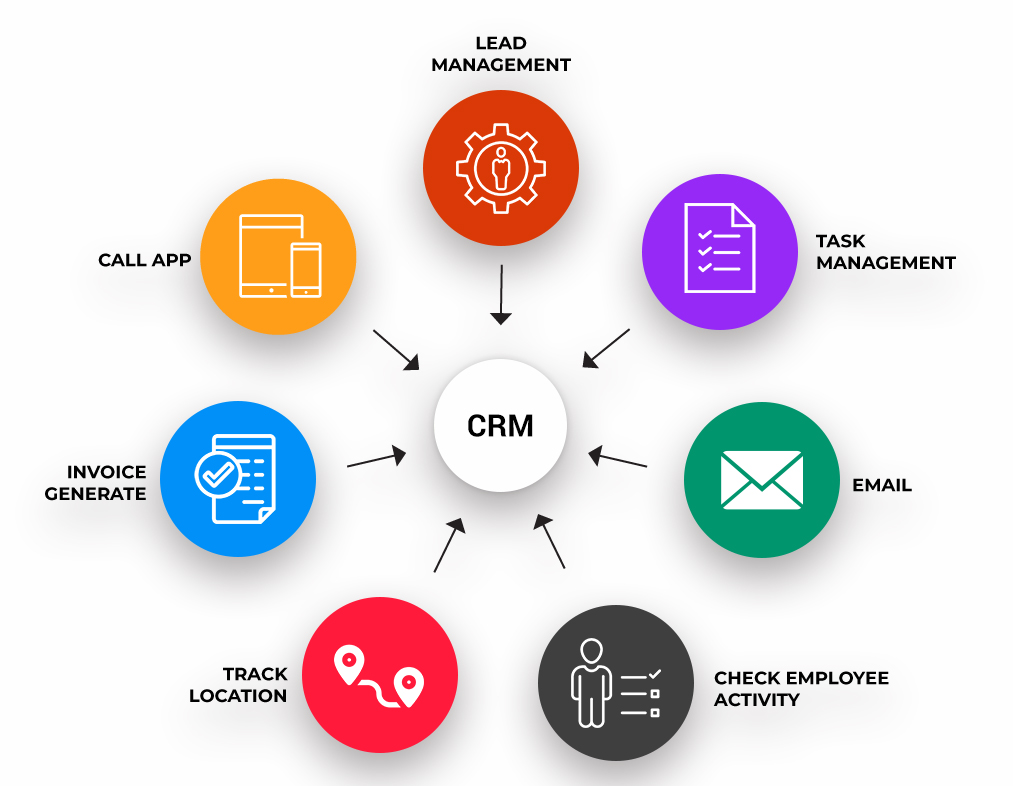
An AI CRM system is a customer relationship management (CRM) system that uses artificial intelligence (AI) to automate and improve various tasks related to customer interactions. It leverages AI algorithms to analyze data, predict customer behavior, and personalize interactions, ultimately enhancing customer satisfaction and driving business growth.
AI CRM systems are distinct from traditional CRM systems by incorporating AI capabilities to automate tasks, analyze data, and personalize customer interactions. While traditional CRM systems primarily focus on data storage and basic management functions, AI CRM systems go beyond by utilizing AI to extract insights, predict outcomes, and optimize processes.
Key Functionalities of AI-Powered CRM Solutions
AI-powered CRM solutions offer a range of functionalities that streamline customer interactions and improve business outcomes. These functionalities include:
- Lead scoring and prioritization: AI algorithms analyze lead data to determine their potential value and prioritize leads based on their likelihood of conversion.
- Personalized customer interactions: AI CRM systems use customer data to personalize interactions, such as recommending relevant products or services, providing targeted content, and offering tailored support.
- Automated marketing campaigns: AI can automate marketing campaigns based on customer behavior and preferences, sending targeted emails, messages, or advertisements at the optimal time.
- Predictive analytics: AI algorithms can analyze customer data to predict future behavior, such as churn risk, purchase intent, and product preferences, enabling businesses to proactively address potential issues and optimize customer engagement.
- Sales forecasting and pipeline management: AI can analyze sales data to forecast future revenue and identify potential bottlenecks in the sales pipeline, allowing businesses to optimize their sales strategies and improve performance.
- Customer service automation: AI-powered chatbots can handle routine customer inquiries, providing instant support and freeing up human agents to focus on more complex issues.
Examples of AI CRM Systems
Several AI CRM systems are available, each with its own set of features and capabilities. Some notable examples include:
- Salesforce Einstein: Salesforce’s AI platform offers features such as lead scoring, personalized recommendations, and predictive analytics.
- Microsoft Dynamics 365 AI: Microsoft’s AI-powered CRM solution provides insights into customer behavior, automates tasks, and personalizes interactions.
- Zoho CRM AI: Zoho’s AI-powered CRM platform offers features like lead scoring, predictive analytics, and automated marketing campaigns.
- HubSpot CRM: HubSpot’s AI-powered CRM solution provides insights into customer behavior, automates tasks, and personalizes interactions.
Implementation of AI CRM Systems
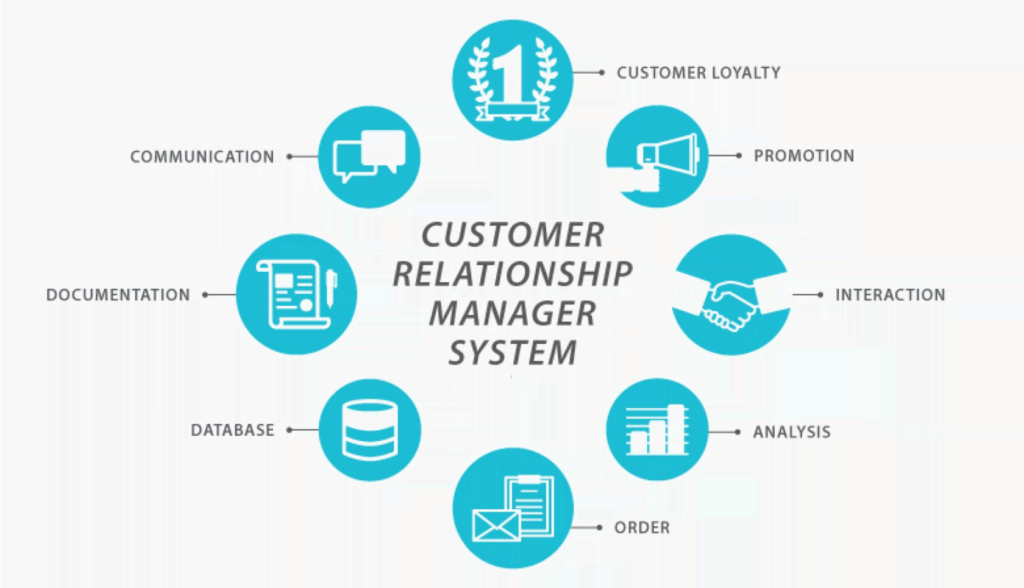
Implementing an AI CRM system is a strategic process that requires careful planning, data preparation, and ongoing optimization. The successful integration of AI into your CRM requires a structured approach, focusing on data integration, model training, and continuous refinement to ensure optimal performance and value realization.
Data Integration and Cleansing
Data integration is crucial for AI CRM success. AI models rely on large datasets to learn patterns and make accurate predictions. The data from various sources needs to be consolidated, cleaned, and transformed into a format suitable for AI processing. This involves:
- Identifying and connecting data sources: This includes CRM data, sales data, marketing data, customer service data, and any other relevant information.
- Data cleansing and standardization: This step involves removing duplicates, correcting errors, and ensuring consistency in data formats and definitions.
- Data enrichment: Enriching the data with additional information, such as demographic data, social media insights, or external market data, can enhance the AI model’s capabilities.
Clean and integrated data ensures the AI model receives accurate and relevant information, enabling it to generate valuable insights and predictions.
Training and Customizing AI Models, Ai crm system
AI models need to be trained on the integrated data to learn patterns and make predictions. This process involves:
- Selecting appropriate AI algorithms: Different algorithms are suited for different tasks, such as customer segmentation, churn prediction, or lead scoring.
- Training the model: This involves feeding the model with the prepared data and allowing it to learn from the patterns within.
- Evaluating model performance: Evaluating the model’s performance using metrics like accuracy, precision, and recall is essential to ensure its effectiveness.
- Customizing the model: Once the model is trained, it can be further customized to meet specific business needs. This may involve fine-tuning parameters, adding new features, or integrating with other systems.
Continuous monitoring and refinement of the AI model are essential to ensure its performance remains optimal as data evolves and business needs change.
Closing Summary: Ai Crm System
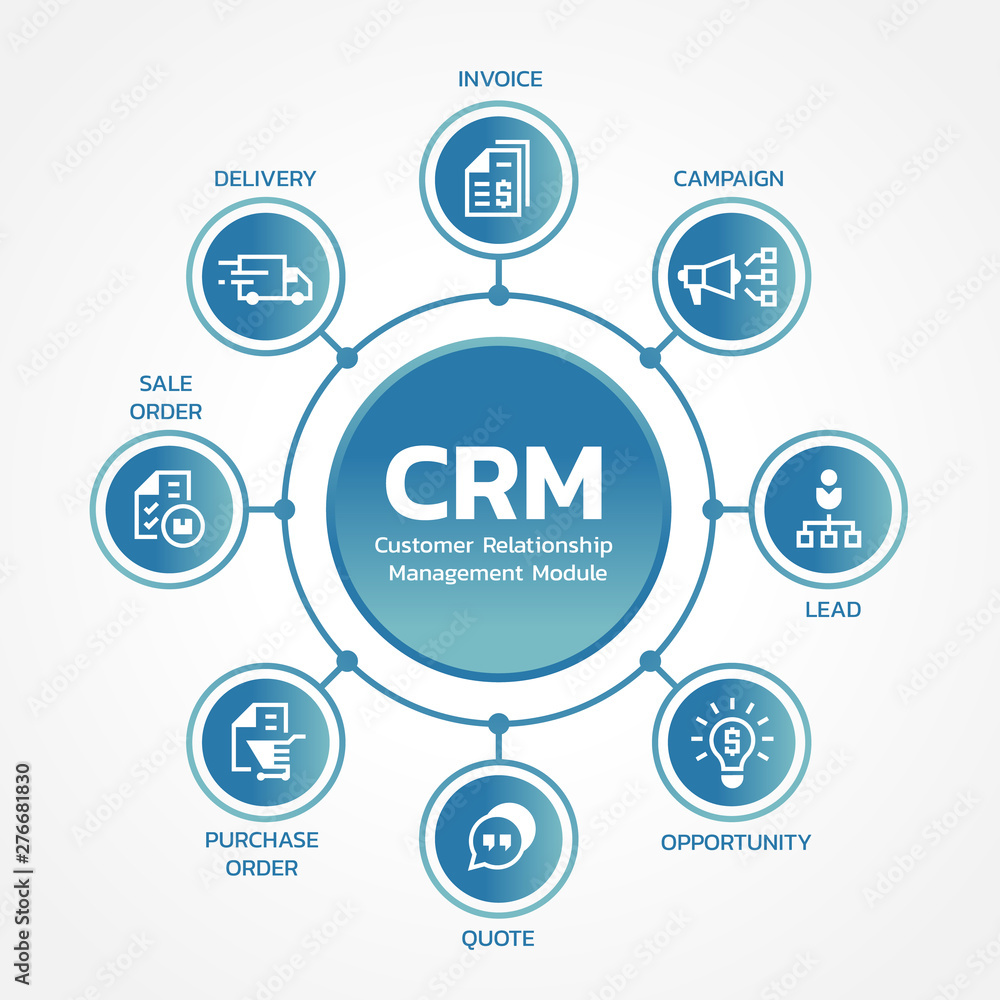
The adoption of AI CRM systems is rapidly changing the landscape of customer relationship management. As AI technology continues to evolve, we can expect even more innovative solutions that further enhance customer experiences and drive business growth. The future of CRM lies in leveraging AI to build deeper connections, foster loyalty, and ultimately, achieve lasting success.
Clarifying Questions
What are some examples of AI CRM systems?
Popular AI CRM systems include Salesforce Einstein, Microsoft Dynamics 365 AI, HubSpot CRM, Zoho CRM, and Oracle Siebel.
How do AI CRM systems improve customer service?
AI-powered chatbots can provide instant customer support, answer frequently asked questions, and even resolve basic issues without human intervention. AI can also analyze customer interactions to identify areas for improvement in customer service processes.
What are the potential ethical concerns of using AI CRM systems?
Ethical considerations include data privacy, bias in AI algorithms, and the potential for misuse of customer data. It’s crucial for businesses to use AI responsibly and transparently.