CRM for client management sets the stage for this enthralling narrative, offering readers a glimpse into a story that is rich in detail and brimming with originality from the outset.
In today’s competitive business landscape, building strong customer relationships is paramount to success. CRM (Customer Relationship Management) software has emerged as a powerful tool for businesses of all sizes, enabling them to effectively manage client interactions, enhance customer satisfaction, and drive growth. CRM for client management goes beyond simple contact management; it encompasses a holistic approach to nurturing customer relationships, from initial outreach to ongoing engagement.
What is CRM for Client Management?
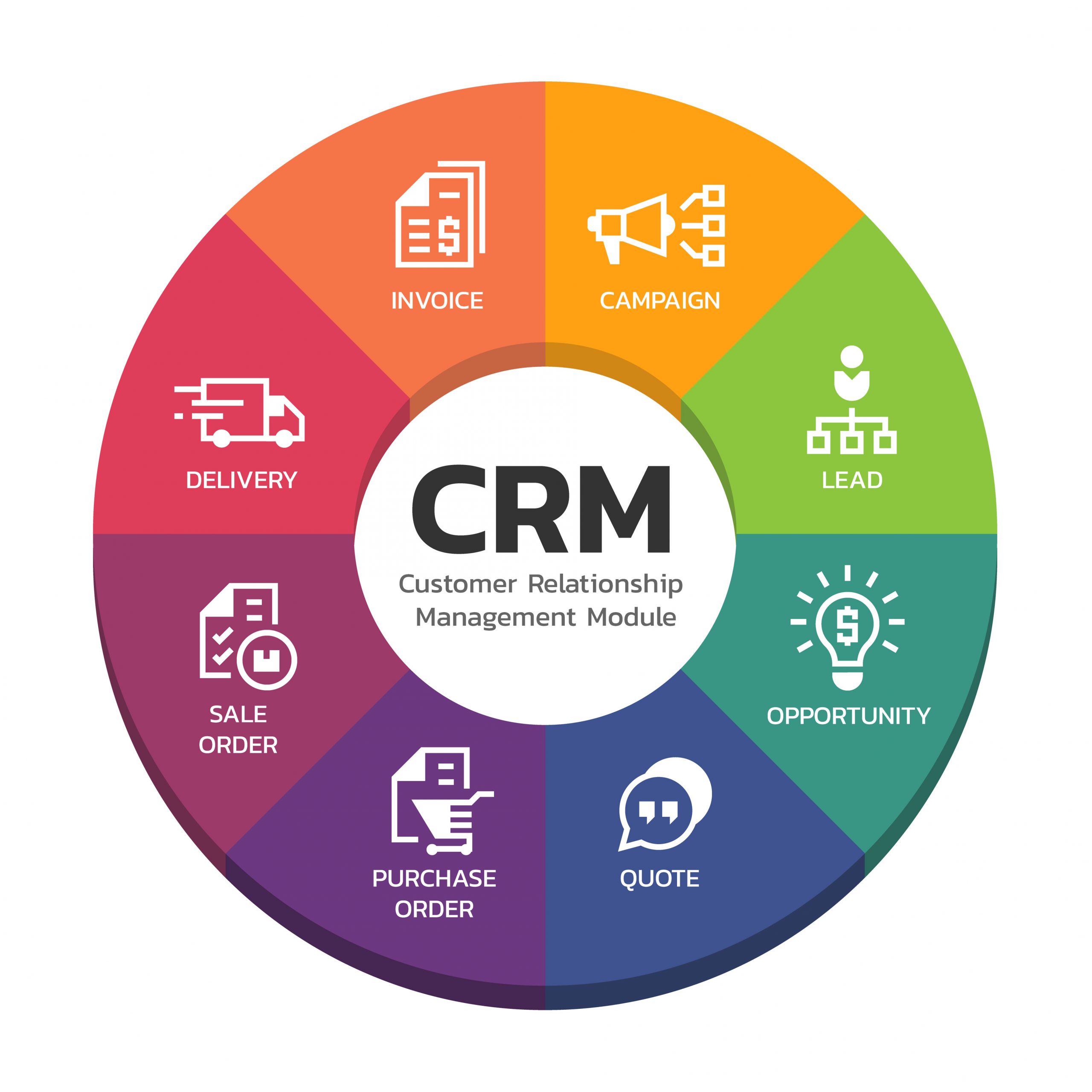
CRM, or Customer Relationship Management, is a powerful strategy and suite of tools that businesses use to manage their interactions with current and potential customers. In the context of client management, CRM takes on a more specific role, focusing on building and nurturing long-term relationships with clients.
Definition of CRM for Client Management
CRM for client management is a comprehensive approach that utilizes technology and strategies to streamline and optimize all aspects of client interactions. It involves capturing, organizing, and analyzing client data, enabling businesses to understand their needs, preferences, and behaviors. This data-driven approach empowers businesses to personalize communications, provide tailored services, and deliver exceptional client experiences.
Key Features and Functionalities of CRM Software for Client Management
CRM software for client management offers a range of features designed to enhance client relationships. Here are some key functionalities:
- Contact Management: CRM software provides a centralized database to store and manage client information, including contact details, communication history, and interaction logs. This allows businesses to maintain accurate and up-to-date client records.
- Sales and Marketing Automation: CRM systems automate repetitive tasks, such as sending email campaigns, scheduling appointments, and managing sales pipelines. This frees up time for sales and marketing teams to focus on strategic initiatives.
- Customer Support and Service: CRM software facilitates efficient customer support by providing a platform for tracking and resolving issues, managing service requests, and providing self-service options.
- Reporting and Analytics: CRM systems generate comprehensive reports and dashboards, providing insights into client behavior, sales performance, and marketing campaign effectiveness. This data-driven approach enables businesses to make informed decisions and optimize their client management strategies.
- Client Segmentation and Targeting: CRM software allows businesses to segment their client base based on demographics, purchase history, and other factors. This enables targeted marketing campaigns and personalized communication.
Benefits of Using CRM for Client Management
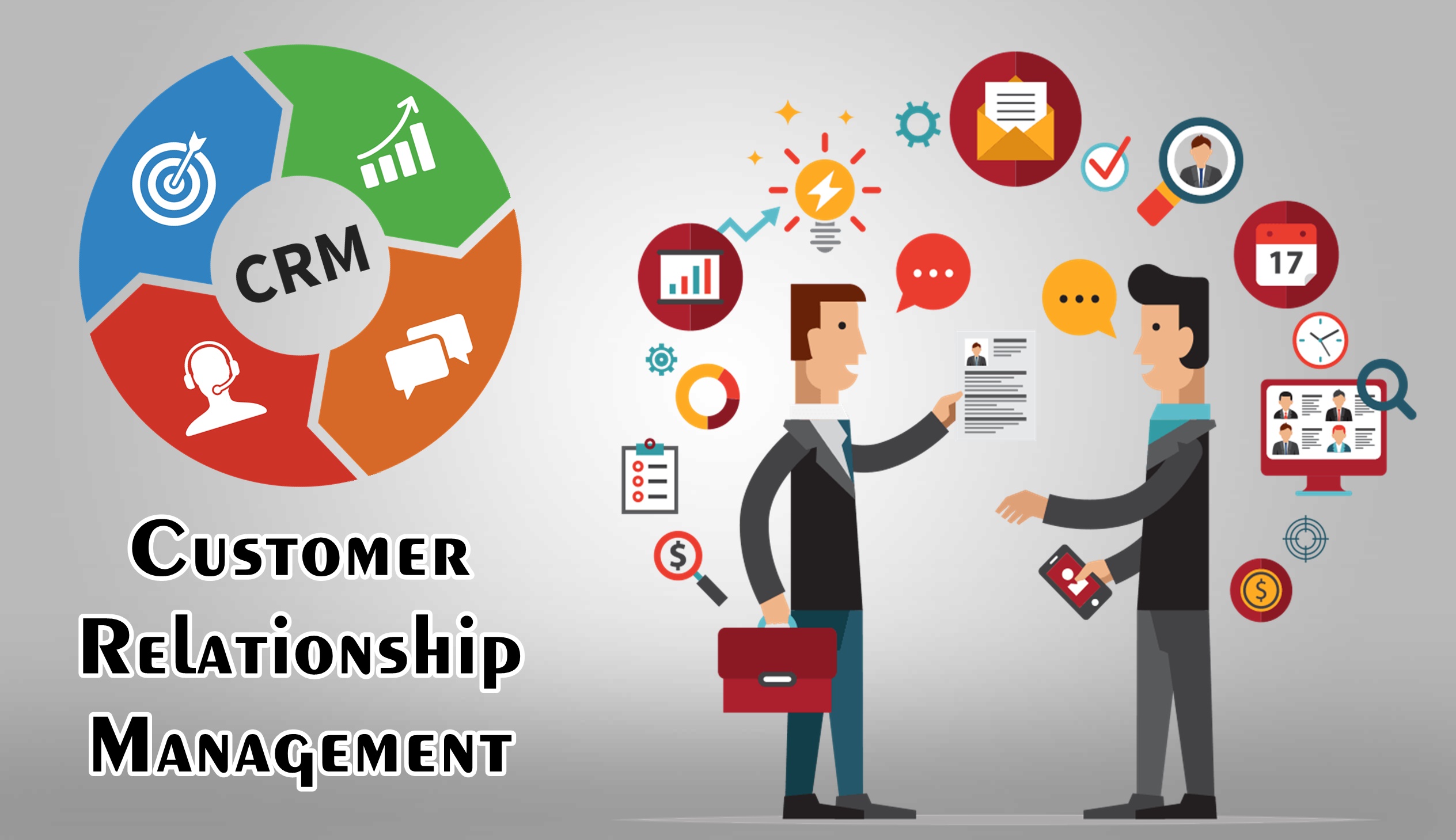
Implementing a CRM system offers numerous benefits for businesses, significantly improving client management, driving sales, and boosting overall efficiency. By centralizing client data and automating processes, CRM empowers businesses to nurture relationships, understand customer needs, and deliver personalized experiences.
Improved Customer Relationships
CRM systems enable businesses to build stronger and more meaningful relationships with their clients. By storing all client interactions and information in one centralized location, CRM provides a comprehensive view of each client’s journey. This allows businesses to personalize communication, tailor offers, and provide proactive support, ultimately fostering customer loyalty and trust.
“A CRM system can help you understand your customers better, personalize your interactions with them, and build stronger relationships.”
Increased Sales and Revenue
CRM systems are instrumental in driving sales growth. By providing insights into customer behavior and preferences, CRM enables businesses to identify sales opportunities, target the right customers with the right message, and optimize sales processes.
- Targeted Marketing Campaigns: CRM systems allow businesses to segment their customer base based on demographics, purchase history, and other factors. This enables targeted marketing campaigns that resonate with specific customer groups, increasing the likelihood of conversion.
- Lead Management and Nurturing: CRM systems streamline lead management processes, allowing businesses to track leads, nurture them through the sales funnel, and identify high-potential prospects. This leads to more qualified leads and increased conversion rates.
- Cross-Selling and Up-Selling Opportunities: By analyzing customer data, CRM systems can identify opportunities for cross-selling and up-selling. Businesses can offer relevant products or services to existing customers, increasing average order value and revenue.
Enhanced Customer Satisfaction, Crm for client management
CRM systems are designed to improve customer satisfaction by providing a seamless and personalized experience. By centralizing customer data, CRM enables businesses to understand customer needs, preferences, and pain points. This allows businesses to provide proactive support, address issues promptly, and offer tailored solutions.
“Customer satisfaction is a key driver of business success. CRM systems can help you improve customer satisfaction by providing a personalized and efficient experience.”
Improved Operational Efficiency
CRM systems automate many manual tasks, freeing up employees to focus on higher-value activities. By automating tasks such as data entry, appointment scheduling, and communication, CRM streamlines workflows and improves overall operational efficiency.
- Streamlined Communication: CRM systems enable businesses to communicate with clients through multiple channels, including email, phone, and chat. This ensures consistent and efficient communication, improving customer experience and reducing response times.
- Automated Tasks: CRM systems automate repetitive tasks such as sending follow-up emails, scheduling appointments, and generating reports. This frees up employee time and resources for more strategic activities.
- Improved Collaboration: CRM systems provide a central platform for team members to collaborate and share information about clients. This ensures everyone is on the same page and improves communication and efficiency.
Conclusion
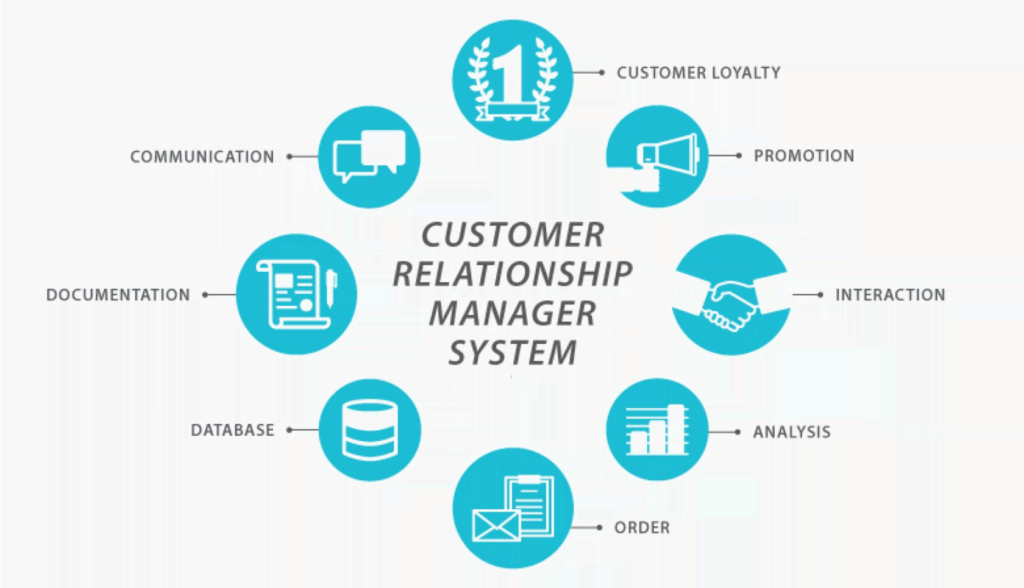
Implementing CRM for client management is a strategic decision that can significantly impact a business’s trajectory. By embracing a CRM solution, businesses can streamline operations, gain valuable insights into customer behavior, and foster lasting relationships that drive loyalty and profitability. As technology continues to evolve, CRM solutions will undoubtedly become even more sophisticated, offering businesses even greater opportunities to optimize their client management strategies and achieve their business objectives.
Answers to Common Questions: Crm For Client Management
What are the common challenges businesses face when implementing CRM?
Common challenges include data migration, user adoption, integration with existing systems, and selecting the right CRM solution that meets specific business needs.
How can I choose the right CRM for my business?
Consider your business size, industry, budget, and specific requirements. Research different CRM solutions, read reviews, and try out free trials to find the best fit.
Is CRM suitable for small businesses?
Absolutely! CRM solutions are available for businesses of all sizes. Even small businesses can benefit from improved client management and communication.