Best crm for follow up – Finding the best CRM for follow-up is essential for businesses looking to nurture relationships and drive conversions. Whether you’re a startup or an established company, a robust CRM system can help you streamline your follow-up processes, automate tasks, and ultimately boost your sales and customer satisfaction.
This guide explores the importance of follow-up in CRM, the key features to look for, and top CRM platforms that excel in this area. We’ll delve into effective follow-up strategies, discuss the metrics that matter, and provide insights on how to optimize your follow-up efforts for maximum impact.
Understanding Follow-Up in CRM

In the dynamic landscape of customer relationship management (CRM), effective follow-up is not merely a nice-to-have; it’s a crucial element that significantly impacts customer satisfaction, loyalty, and ultimately, business success.
Importance of Effective Follow-Up in CRM
Effective follow-up in CRM plays a pivotal role in nurturing customer relationships, building trust, and driving conversions. By consistently engaging with customers throughout their journey, businesses can strengthen bonds, address concerns, and ultimately, achieve their desired outcomes.
Stages of the Customer Journey Where Follow-Up is Crucial
Follow-up is essential at various stages of the customer journey, each demanding a specific approach and focus.
Initial Contact and Lead Nurturing
The initial contact stage is crucial for establishing a positive first impression and building rapport. Prompt follow-up after a lead has expressed interest demonstrates responsiveness and eagerness to assist. This initial interaction sets the tone for future interactions and influences the customer’s perception of the brand.
Product/Service Demonstration and Trial
Following up after a product demonstration or trial allows businesses to gauge customer feedback, address any concerns, and guide them towards the next steps. This personalized approach fosters trust and helps customers feel supported in their decision-making process.
Post-Sale Support and Onboarding
Once a customer has made a purchase, ongoing support is vital for ensuring satisfaction and encouraging repeat business. Promptly addressing inquiries, providing clear instructions, and offering ongoing support strengthens the customer relationship and builds loyalty.
Customer Feedback and Relationship Building
Regular follow-up allows businesses to gather valuable customer feedback, identify areas for improvement, and personalize future interactions. This ongoing communication helps build a stronger relationship, fostering trust and loyalty.
Benefits of Using a CRM for Follow-Up Activities
Leveraging a CRM system for follow-up activities brings numerous benefits, streamlining processes and enhancing customer interactions.
Centralized Customer Data and Insights
A CRM system provides a central repository for all customer data, enabling businesses to access comprehensive information about their interactions, preferences, and purchase history. This unified view facilitates personalized follow-up, ensuring that each interaction is relevant and tailored to the individual customer.
Automated Follow-Up and Reminders
CRM systems offer automated follow-up capabilities, freeing up valuable time and ensuring timely communication. This automated functionality helps businesses stay organized, send timely reminders, and maintain consistent engagement with their customers.
Personalized Communication and Segmentation
CRM systems enable personalized communication by segmenting customers based on their characteristics, behavior, and purchase history. This targeted approach allows businesses to deliver relevant messages, offers, and support, maximizing the impact of their follow-up efforts.
Improved Customer Satisfaction and Retention
By consistently engaging with customers, addressing their needs, and providing personalized support, CRM systems contribute to increased customer satisfaction and loyalty. This leads to higher retention rates, reduced churn, and ultimately, a more profitable customer base.
Essential Features for CRM Follow-Up
A CRM system can be a powerful tool for managing customer interactions and improving follow-up efficiency. However, to truly benefit from a CRM, it needs to be equipped with the right features to streamline your follow-up processes.
Automation
Automation plays a critical role in streamlining follow-up processes, freeing up your time and ensuring that no leads slip through the cracks.
- Automated Email Sequences: These pre-written email series are triggered by specific actions, such as a new lead signing up or a customer making a purchase. This allows you to send personalized and timely follow-up emails without manual intervention.
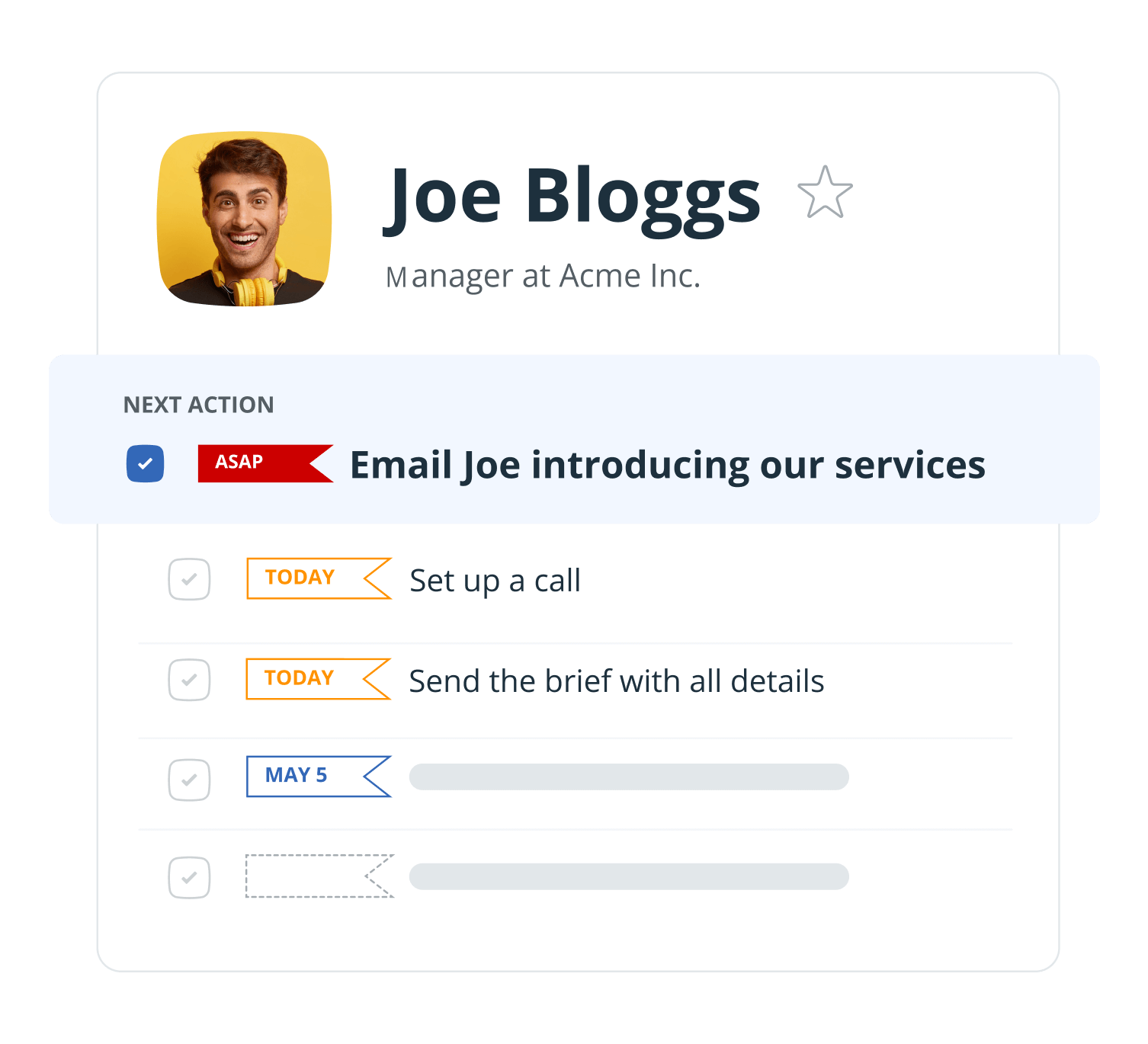
- Automated Reminders: Set reminders for important tasks, such as scheduling follow-up calls, sending thank-you notes, or checking in with existing clients. This ensures that you stay on top of your responsibilities and don’t miss critical opportunities.
- Automated Lead Scoring: This feature automatically assigns scores to leads based on their interactions and engagement with your company. This allows you to prioritize leads based on their potential value and focus your follow-up efforts on the most promising prospects.
Customizable Workflows, Best crm for follow up
Customizable workflows allow you to tailor your follow-up processes to your specific needs and industry.
- Customizable Follow-Up Paths: Create different follow-up paths for different customer segments, such as new leads, existing customers, or high-value prospects. This ensures that your follow-up efforts are relevant and effective for each customer group.
- Conditional Logic: Use conditional logic to create dynamic follow-up processes that adapt to individual customer behavior. For example, you can set up a workflow that sends a different email sequence to customers who have opened previous emails compared to those who haven’t.
- Customizable Reminders: Set up reminders that are tailored to specific customer interactions, such as sending a birthday greeting or a follow-up email after a customer makes a purchase.
Reporting and Analytics
Comprehensive reporting and analytics are essential for tracking the effectiveness of your follow-up efforts and identifying areas for improvement.
- Follow-Up Activity Tracking: Track all your follow-up activities, including emails sent, calls made, and meetings scheduled. This allows you to gain insights into your follow-up performance and identify areas where you can optimize your processes.
- Conversion Rate Analysis: Track the conversion rates of your follow-up efforts to measure the effectiveness of your strategies and identify areas for improvement.
- Customer Journey Mapping: Visualize the customer journey and identify key touchpoints where follow-up can be most effective. This allows you to optimize your follow-up processes and improve the customer experience.
Effective Follow-Up Strategies: Best Crm For Follow Up

Utilizing a CRM for follow-up is essential for building strong relationships with your customers and prospects. By implementing effective follow-up strategies, you can nurture leads, increase conversions, and foster customer loyalty. Let’s explore some key strategies that can be employed within your CRM system.
Automated Follow-Up Sequences
Automated follow-up sequences streamline the process of staying in touch with your audience. These sequences consist of pre-written emails, messages, or other forms of communication that are triggered by specific actions or events. This ensures consistent engagement and personalized messaging based on the individual’s journey.
- Welcome Sequence: When a new lead signs up for your newsletter or downloads a resource, a welcome sequence can introduce your brand, offer valuable information, and encourage further engagement.
- Nurturing Sequence: For leads who haven’t yet converted, a nurturing sequence can provide educational content, case studies, and testimonials to guide them towards a purchase decision.
- Post-Purchase Sequence: After a customer makes a purchase, a post-purchase sequence can provide support, gather feedback, and encourage repeat business.
Personalized Follow-Up
Personalization is key to effective follow-up. By leveraging CRM data, you can tailor your messages to resonate with individual preferences and needs. This builds trust and demonstrates that you understand your customers.
- Use Customer Data: Incorporate customer names, purchase history, website activity, and other relevant information to personalize your communications.
- Segment Your Audience: Group your customers and prospects based on shared characteristics (e.g., demographics, interests, purchase behavior) to deliver targeted messages.
- A/B Testing: Experiment with different subject lines, content, and timing to optimize your follow-up campaigns for maximum engagement.
Multi-Channel Follow-Up
A comprehensive follow-up strategy utilizes multiple channels to reach your audience where they are most active. This ensures a consistent brand experience and increases the likelihood of capturing attention.
- Email: Emails remain a powerful tool for delivering personalized messages and nurturing leads.
- SMS: Text messages are effective for time-sensitive updates, reminders, and promotions.
- Social Media: Engage with your audience on social media platforms to build relationships and share valuable content.
- Phone Calls: For more complex inquiries or to build deeper connections, phone calls can be a valuable follow-up method.
Step-by-Step Guide to Creating Personalized Follow-Up Sequences
Creating effective follow-up sequences requires a structured approach. Here’s a step-by-step guide to get you started:
- Define Your Goals: Determine what you want to achieve with your follow-up sequence (e.g., increase website traffic, generate leads, drive sales). This will help you focus your efforts and measure success.
- Identify Your Audience: Determine who you want to target with your sequence. This might be based on demographics, interests, purchase history, or other criteria.
- Choose Your Channels: Select the communication channels that are most appropriate for your audience and goals (e.g., email, SMS, social media).
- Develop Your Content: Create engaging and relevant content that aligns with your goals and resonates with your audience. This might include educational resources, product updates, special offers, or personalized recommendations.
- Set Up Your Sequence: Configure your CRM system to automate the delivery of your follow-up messages based on specific triggers or time intervals. This ensures consistent and timely communication.
- Monitor and Optimize: Track the performance of your follow-up sequences to identify areas for improvement. Analyze open rates, click-through rates, and conversions to refine your messaging and timing.
Examples of Successful Follow-Up Campaigns
Successful follow-up campaigns are found across various industries. Here are a few examples:
- E-commerce: A clothing retailer sends a personalized email to customers who have abandoned their shopping cart, offering a discount code and highlighting the items left behind. This increases the likelihood of completing the purchase.
- Software: A SaaS company uses a series of emails to guide new users through the onboarding process, providing tutorials, tips, and support. This helps users become familiar with the platform and increase engagement.
- Healthcare: A hospital sends appointment reminders via SMS to patients, reducing no-shows and improving patient satisfaction.
Closure
By investing in a CRM with strong follow-up capabilities, you can transform your customer interactions, improve your sales performance, and build lasting relationships. Remember, effective follow-up is not just about sending out generic emails or making automated calls; it’s about understanding your customers, personalizing your communication, and providing value at every touchpoint. With the right CRM and a strategic approach, you can unlock the true potential of follow-up and achieve remarkable results.
Essential Questionnaire
What are the benefits of using a CRM for follow-up?
Using a CRM for follow-up offers several benefits, including improved customer engagement, increased sales conversions, enhanced customer satisfaction, and more efficient workflows.
How can I choose the right CRM for my business?
Consider your business size, industry, budget, and specific follow-up needs. Research different CRM platforms, compare their features, pricing, and user reviews to find the best fit for your organization.
What are some examples of effective follow-up strategies?
Effective follow-up strategies include sending personalized emails, scheduling automated reminders, using social media to engage with customers, and offering targeted content based on customer interests.