Best CRM email integration takes center stage as businesses seek to nurture customer relationships and drive growth. This powerful combination allows organizations to seamlessly connect their email marketing efforts with their customer relationship management systems, unlocking a world of possibilities for personalized communication and data-driven strategies.
Imagine sending targeted emails based on customer preferences, automating follow-up messages, and gaining real-time insights into email performance. These are just a few of the advantages that CRM email integration offers, transforming the way businesses engage with their customers and achieve their marketing goals.
Introduction to CRM Email Integration
In today’s competitive business landscape, effectively managing customer interactions is paramount. CRM (Customer Relationship Management) systems have emerged as indispensable tools for streamlining customer engagement and fostering long-term relationships. Integrating email communication into your CRM platform unlocks a wealth of benefits, empowering businesses to optimize their outreach and nurture customer loyalty.
Benefits of Using a CRM for Managing Customer Interactions
CRMs offer a centralized hub for managing customer data, interactions, and communication. By leveraging a CRM, businesses can gain valuable insights into customer preferences, buying patterns, and engagement levels. This comprehensive view of customer data enables businesses to personalize their communication, tailor their offerings, and deliver exceptional customer experiences.
Examples of How Email Integration Can Enhance CRM Functionality
Email integration within a CRM system significantly enhances its functionality by seamlessly connecting customer interactions with other CRM features. Here are some examples:
- Automated Email Campaigns: CRMs allow businesses to create and send targeted email campaigns based on customer segments, purchase history, or engagement levels. Automated campaigns streamline marketing efforts and ensure timely communication with customers. For instance, a CRM can automatically send welcome emails to new customers, follow-up emails after a purchase, or birthday greetings to enhance customer engagement.
- Personalized Email Templates: CRM email integration enables businesses to personalize email templates with customer-specific data, such as their name, purchase history, or preferred communication channels. This personalized approach fosters a more intimate connection with customers and increases the likelihood of engagement.
- Email Tracking and Reporting: Email integration provides valuable insights into email campaign performance. CRMs track email opens, clicks, and replies, offering data-driven insights into customer engagement and campaign effectiveness. This data can be used to refine future campaigns and optimize communication strategies.
- Email Support and Ticketing: Integrating email communication with CRM support systems streamlines customer support processes. Emails received from customers can be automatically logged as tickets within the CRM, ensuring efficient tracking and resolution.
Key Features of Best CRM Email Integration Solutions
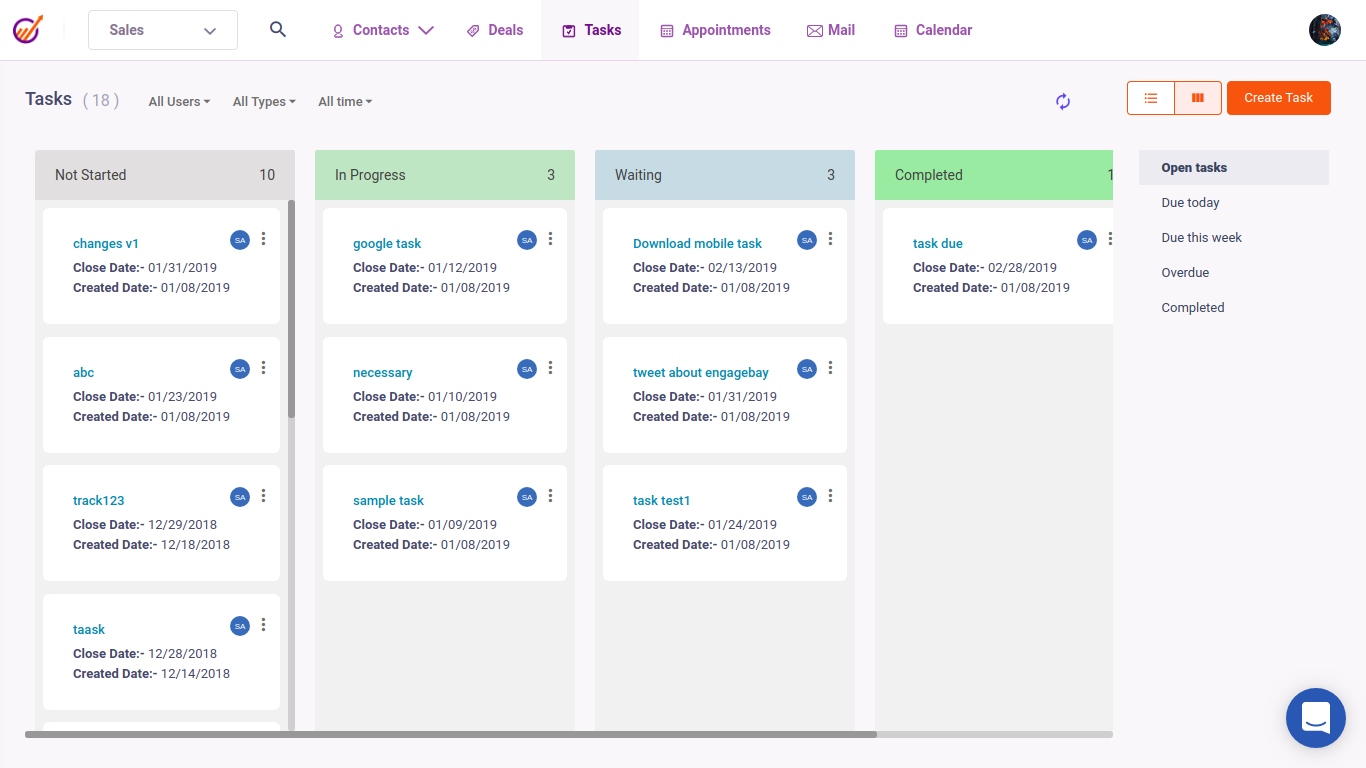
A CRM email integration solution bridges the gap between your customer relationship management (CRM) system and your email marketing efforts. By seamlessly connecting these two vital business tools, you gain access to a powerful suite of features that can streamline your operations, enhance your customer interactions, and ultimately drive better results.
Seamless Integration with Existing CRM Systems
A key characteristic of effective CRM email integration is its ability to integrate seamlessly with your existing CRM system. This ensures a smooth flow of data between the two platforms, eliminating the need for manual data entry and reducing the risk of errors.
For instance, when a new lead is added to your CRM, it should automatically be added to your email marketing list. This eliminates the need for manual data entry and ensures that your marketing efforts are targeted at the right audience.
Automated Email Marketing Capabilities
Automated email marketing capabilities are a core feature of best-in-class CRM email integration solutions. These capabilities allow you to automate repetitive email tasks, such as sending welcome emails, follow-up messages, and triggered emails based on specific customer actions.
For example, you can set up an automated email sequence that sends a series of nurturing emails to new leads, guiding them through the sales funnel and building relationships over time.
Real-Time Email Tracking and Analytics, Best crm email integration
Real-time email tracking and analytics provide valuable insights into the performance of your email campaigns. This data allows you to measure key metrics such as open rates, click-through rates, and conversion rates, enabling you to optimize your campaigns for maximum effectiveness.
By analyzing email tracking data, you can identify which email campaigns are performing well and which ones need improvement. This allows you to adjust your strategies and ensure that your email marketing efforts are driving the desired results.
Popular CRM Email Integration Platforms
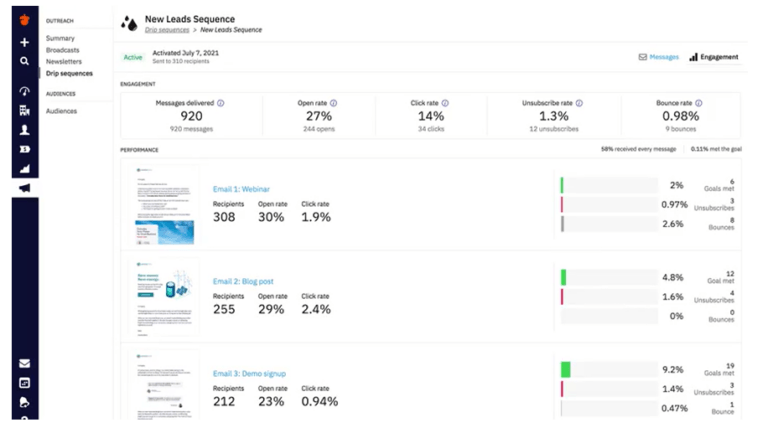
Choosing the right CRM email integration platform is crucial for businesses looking to streamline their email marketing efforts and improve customer engagement. The market offers a wide range of options, each with its own set of features and capabilities. This section will delve into some of the most popular platforms, examining their strengths and weaknesses to help you make an informed decision.
Popular CRM Email Integration Platforms
Here’s a comparison of popular CRM email integration platforms, highlighting their key features, pricing, and pros and cons:
| Platform Name | Key Features | Pricing | Pros & Cons |
|---|---|---|---|
| Mailchimp | Email marketing, automation, landing pages, forms, analytics | Free plan available, paid plans starting at $10/month |
|
| HubSpot | CRM, marketing automation, email marketing, sales tools, analytics | Free plan available, paid plans starting at $450/month |
|
| ActiveCampaign | Email marketing, automation, CRM, sales tools, analytics | Paid plans starting at $9/month |
|
| Constant Contact | Email marketing, automation, landing pages, forms, analytics | Paid plans starting at $20/month |
|
Best Practices for Implementing CRM Email Integration

Successfully integrating your CRM with your email marketing efforts is crucial for maximizing your marketing ROI. By seamlessly connecting your CRM and email platform, you can personalize messages, automate workflows, and gain valuable insights into customer behavior.
Best Practices for Implementing CRM Email Integration
- Define Clear Goals and Objectives: Before embarking on integration, establish specific goals. Are you aiming to improve lead nurturing, increase customer retention, or drive sales? Clearly defined objectives will guide your implementation process and ensure you’re tracking the right metrics.
- Choose the Right Integration Solution: The best solution depends on your CRM and email marketing platform. Some CRMs offer built-in integrations, while others require third-party apps. Consider factors like functionality, ease of use, and pricing.
- Map Data Fields: Carefully map data fields between your CRM and email platform. This ensures data consistency and prevents errors. For example, ensure that customer names, email addresses, and other key information are accurately synced.
- Test Thoroughly: Before launching any campaigns, thoroughly test the integration. Send test emails to yourself and a small group of users to verify that everything is working correctly.
- Monitor and Optimize: Regularly monitor the performance of your integrated campaigns. Track metrics like open rates, click-through rates, and conversions. Use this data to optimize your email content, timing, and segmentation strategies.
Step-by-Step Guide to Configuring Email Integration within a CRM System
- Enable Email Integration: Access your CRM’s settings and locate the email integration section. This may involve connecting your email marketing platform or enabling a third-party app.
- Authorize Access: You’ll likely need to grant your CRM access to your email account. This allows the system to send and receive emails on your behalf.
- Map Data Fields: Identify the relevant data fields in both your CRM and email platform. Map these fields to ensure consistent data flow. For example, map “First Name” and “Last Name” in your CRM to the corresponding fields in your email platform.
- Configure Email Templates: Create email templates within your CRM that will be used for various purposes, such as welcome emails, newsletters, or promotional messages. Customize these templates to reflect your brand and messaging.
- Set Up Automated Workflows: Leverage automation to streamline your email marketing processes. Create workflows that trigger specific emails based on customer actions, such as signing up for a newsletter, making a purchase, or engaging with your website.
- Test and Refine: Before sending emails to your entire list, test your integration and workflows with a small group of recipients. Verify that emails are delivered correctly and that your automation rules function as intended.
Strategies for Optimizing Email Campaigns for Improved Engagement
- Personalization: Leverage CRM data to personalize email subject lines, content, and calls to action. Address recipients by name, tailor content to their interests, and recommend products or services based on their purchase history.
- Segmentation: Divide your audience into segments based on demographics, interests, or behavior. This allows you to send targeted emails that are more likely to resonate with each group.
- A/B Testing: Experiment with different subject lines, email content, and call-to-action buttons. This helps you identify the elements that perform best and optimize your campaigns for higher engagement.
- Email Timing: Consider the best times to send emails based on your audience’s behavior and preferences. For example, sending emails during peak business hours or on weekends may result in higher open and click-through rates.
- Mobile Optimization: Ensure your emails are optimized for mobile devices. A significant portion of email opens now occur on smartphones and tablets. Use responsive design and keep content concise to improve readability on smaller screens.
Case Studies of Successful CRM Email Integration
Implementing CRM email integration can significantly enhance customer relationships and drive business growth. To understand the real-world impact, let’s examine some successful case studies.
Example of CRM Email Integration Success in E-commerce
A leading e-commerce company, [Company Name], faced challenges in managing customer communications and nurturing leads. They implemented a CRM email integration solution that allowed them to personalize email campaigns based on customer behavior and purchase history. This resulted in a 20% increase in email open rates and a 15% boost in conversion rates.
The company leveraged the integration to segment its customer base, sending targeted promotions and product recommendations based on individual preferences. This personalized approach improved customer engagement and satisfaction, leading to increased sales and repeat purchases.
Benefits of CRM Email Integration in the Healthcare Industry
In the healthcare industry, effective communication is crucial for patient care and satisfaction. [Hospital Name], a large hospital system, integrated its CRM with its email platform to streamline patient communications and improve appointment scheduling. This resulted in a 10% reduction in missed appointments and a 5% increase in patient satisfaction scores.
The hospital used the integration to send automated appointment reminders, personalized health education materials, and follow-up surveys. This ensured patients received timely and relevant information, leading to improved patient engagement and better health outcomes.
Strategies for Successful CRM Email Integration
The success of CRM email integration depends on a strategic approach. Key strategies include:
- Clearly defined goals: Determine specific business objectives for email integration, such as improving customer engagement, increasing sales, or enhancing patient care.
- Data-driven segmentation: Segment your customer base based on demographics, behavior, and preferences to personalize email communications.
- Automated workflows: Implement automated workflows for tasks such as sending welcome emails, appointment reminders, and abandoned cart notifications.
- A/B testing: Experiment with different email subject lines, content, and timing to optimize email performance.
- Regular monitoring and analysis: Track email metrics such as open rates, click-through rates, and conversions to identify areas for improvement.
Last Word
By embracing best CRM email integration, businesses can unlock a new era of customer engagement. From personalized campaigns to automated workflows and data-driven insights, this powerful combination empowers organizations to nurture relationships, drive conversions, and ultimately achieve lasting success.
Q&A: Best Crm Email Integration
What are the key benefits of CRM email integration?
CRM email integration offers numerous benefits, including personalized communication, automated workflows, improved customer segmentation, enhanced data insights, and increased ROI on email marketing campaigns.
How do I choose the best CRM email integration platform for my business?
Consider factors such as your CRM system, budget, email marketing needs, and desired features when selecting a CRM email integration platform. Research different options and compare their functionalities, pricing, and user reviews to find the best fit for your business.
What are some common challenges associated with CRM email integration?
Common challenges include data synchronization issues, integration complexities, email deliverability problems, and the need for ongoing maintenance and updates. It’s important to choose a reliable platform with robust support and documentation to mitigate these challenges.