Best basic CRM systems can be a game-changer for small businesses looking to streamline their operations and boost customer engagement. These user-friendly platforms offer essential tools for managing contacts, tracking interactions, and nurturing leads. While not as comprehensive as enterprise-level CRM solutions, basic CRM systems provide a cost-effective way to organize your customer data and gain valuable insights into your target audience.
This guide explores the key features, benefits, and considerations for choosing the best basic CRM for your specific needs. We’ll delve into popular options, analyze their strengths and weaknesses, and provide step-by-step instructions on implementing and customizing your chosen CRM system.
Key Considerations for Choosing a Basic CRM
Choosing the right CRM for your business can be a daunting task, especially if you’re looking for a basic solution. You need a system that’s easy to use, affordable, and provides the core features you need to manage your customer relationships effectively. This guide will help you navigate the key considerations when choosing a basic CRM for your business.
Ease of Use and User Interface
A basic CRM should be user-friendly, even for individuals with limited technical expertise. A simple, intuitive interface is essential to ensure your team can quickly learn and use the CRM effectively. Look for a CRM with:
- A clean and uncluttered layout.
- Clear navigation menus and buttons.
- Easy-to-understand dashboards and reports.
- Drag-and-drop functionality for creating workflows and managing data.
Key Integrations and Functionalities
While a basic CRM may not have all the bells and whistles of a more advanced system, it should include essential features to manage your customer interactions. These include:
- Contact Management: A basic CRM should allow you to store and organize customer information, including names, addresses, phone numbers, email addresses, and notes.
- Lead Management: Track potential customers from initial contact to conversion. This includes managing leads, assigning them to specific team members, and nurturing them through the sales funnel.
- Email Marketing: Send targeted email campaigns to nurture leads, promote products or services, and keep customers engaged. Look for CRMs with built-in email marketing features or seamless integrations with popular email marketing platforms.
- Sales Pipeline Management: Visualize the progress of your sales deals, track their status, and identify potential bottlenecks.
- Reporting and Analytics: Gain insights into your customer interactions and sales performance. Basic CRMs should offer customizable reports that track key metrics such as conversion rates, lead sources, and customer engagement.
Popular Basic CRM Solutions: Best Basic Crm
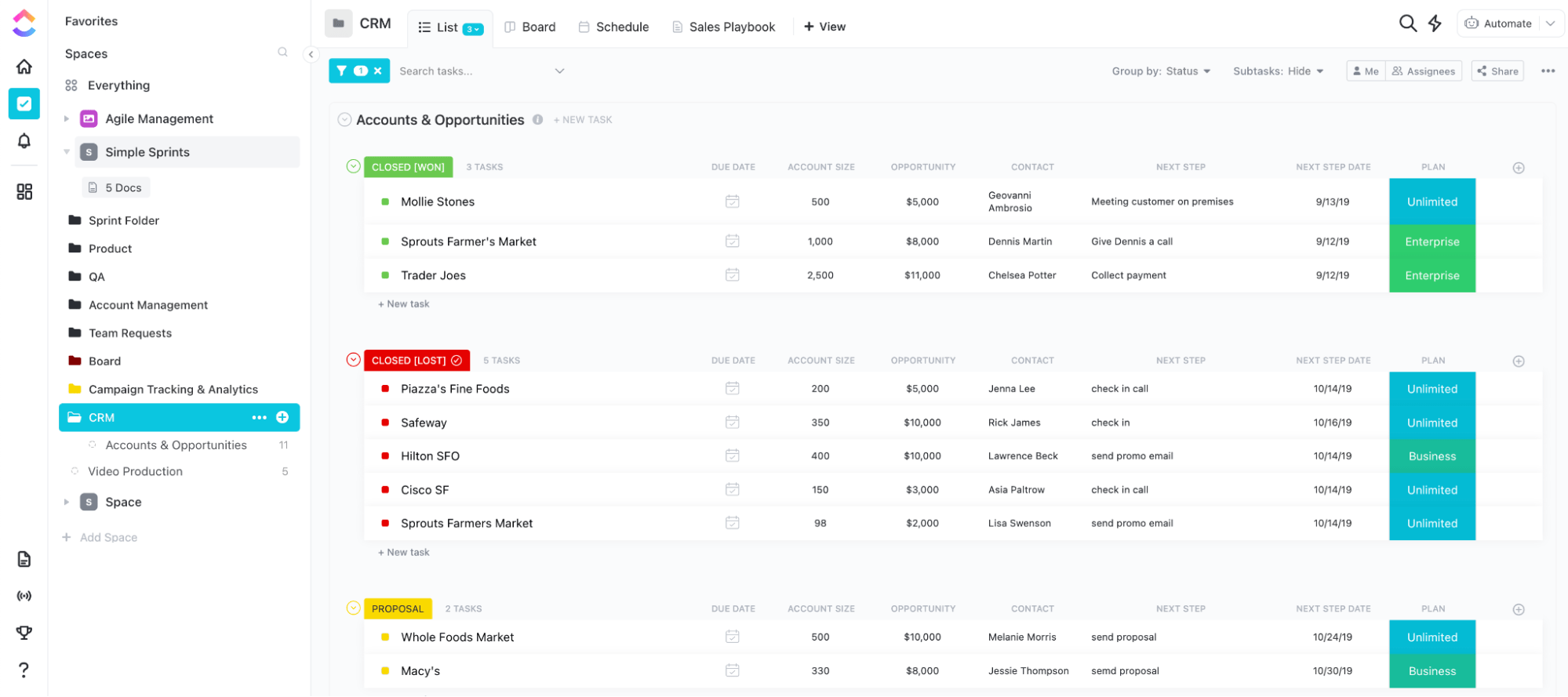
Choosing the right CRM for your business can be daunting, especially when you’re just starting out. There are many options available, each with its own set of features and pricing. To help you navigate this landscape, we’ve compiled a list of popular basic CRM solutions that are suitable for small businesses and startups. These solutions offer a good balance of features and affordability, allowing you to manage your customer relationships effectively without breaking the bank.
Comparison of Popular Basic CRM Solutions
Here’s a table comparing popular basic CRM options, highlighting their key features, pricing, target audience, and pros and cons:
| CRM Name | Pricing | Key Features | Target Audience | Pros | Cons |
|---|---|---|---|---|---|
| Zoho CRM | Starts at $14/user/month | Contact management, lead management, sales automation, reporting, integrations | Small businesses, startups, and growing companies |
|
|
| Pipedrive | Starts at $12.50/user/month | Sales pipeline management, deal tracking, forecasting, email integration | Sales teams, small businesses, and startups |
|
|
| HubSpot CRM | Free for up to 1,000 contacts | Contact management, lead management, email marketing, basic automation, reporting | Small businesses, startups, and marketing teams |
|
|
| Freshworks CRM | Starts at $29/user/month | Contact management, lead management, sales automation, marketing automation, reporting | Small businesses, startups, and growing companies |
|
|
Strengths and Weaknesses of Popular Basic CRM Solutions
Each of these CRM solutions has its own unique strengths and weaknesses. Here’s a deeper dive into their individual characteristics:
Zoho CRM
Zoho CRM is a comprehensive CRM solution that offers a wide range of features, from contact management to sales automation. It’s a good choice for businesses that need a robust CRM system with a lot of functionality. Zoho CRM is known for its affordability and its strong mobile app. However, it can be overwhelming for new users, and some advanced features require higher-tier plans.
Pipedrive
Pipedrive is a CRM solution that’s specifically designed for sales teams. It’s known for its user-friendly interface and its focus on sales pipeline management. Pipedrive is a good choice for businesses that want to improve their sales processes and track their progress. Pipedrive has excellent mobile app and good integrations with other tools. However, it has limited marketing automation features and some features require higher-tier plans.
HubSpot CRM
HubSpot CRM is a free CRM solution that’s ideal for small businesses and startups. It offers basic features like contact management, lead management, and email marketing. HubSpot CRM is known for its ease of use and its strong marketing automation features. However, it has limited sales features in the free plan and paid plans can be expensive for some businesses.
Freshworks CRM
Freshworks CRM is a comprehensive CRM solution that offers a good balance of features and affordability. It’s a good choice for businesses that need a robust CRM system with a wide range of features, including marketing automation. Freshworks CRM is known for its good value for money and its strong customer support. However, it can be overwhelming for new users and some features require higher-tier plans.
Implementing a Basic CRM

Implementing a basic CRM involves a series of steps that ensure the system is set up effectively and aligned with your business needs. It involves not just the technical setup but also data management, user training, and ongoing optimization.
Data Entry and Management
Data entry and management are critical for a CRM’s success. Accurate and complete data ensures your CRM provides valuable insights and helps you make informed decisions.
- Define Data Fields: Start by identifying the essential data points you need to collect for each customer, prospect, or contact. This could include name, email address, phone number, company, industry, purchase history, and interaction notes.
- Data Accuracy: Ensure data accuracy by implementing data validation rules, using standardized formats, and encouraging users to double-check entries. Inaccurate data can lead to incorrect analysis and ineffective marketing campaigns.
- Data Consistency: Maintain consistency in data entry by using standardized formats and avoiding duplicates. This makes data analysis and reporting more reliable.
- Data Enrichment: Use data enrichment tools to automatically update customer information, such as addresses, contact details, and company data. This keeps your CRM database current and accurate.
- Data Backup: Regularly back up your CRM data to prevent data loss due to technical issues or human error. A reliable backup strategy protects your valuable customer information.
Customizing a Basic CRM, Best basic crm
Basic CRMs offer customization options that allow you to tailor the system to your specific business needs. Customization ensures the CRM is a valuable tool for your sales, marketing, and customer service teams.
- Workflow Automation: Automate repetitive tasks like sending email follow-ups, scheduling appointments, and generating reports. Workflow automation streamlines processes and improves efficiency.
- Reporting and Analytics: Customize reports to track key metrics such as sales pipeline, customer engagement, and campaign performance. Data visualization tools help you gain insights from your data and make data-driven decisions.
- Integrations: Integrate your CRM with other business applications, such as email marketing platforms, accounting software, and social media tools. Integrations create a seamless workflow and eliminate the need for manual data entry.
- User Roles and Permissions: Define user roles and permissions to control access to sensitive data and ensure data security. This helps you maintain data integrity and prevent unauthorized access.
- Custom Fields: Add custom fields to your CRM to capture specific information relevant to your business. This helps you track unique data points that are important for your industry or niche.
The Benefits of Using a Basic CRM
A basic CRM system can be a game-changer for small businesses looking to streamline operations and enhance customer relationships. By centralizing customer information and automating tasks, basic CRMs empower businesses to engage with customers more effectively, boost sales, and ultimately drive revenue growth.
Improved Customer Engagement and Satisfaction
A basic CRM helps businesses build stronger customer relationships by providing a centralized platform for managing customer interactions. By tracking customer interactions, preferences, and purchase history, businesses can personalize communications and offer more relevant products and services.
- Personalized Communication: Basic CRMs allow businesses to segment customers based on demographics, purchase history, or other criteria, enabling them to tailor marketing campaigns and communications to specific customer groups. This personalized approach fosters a sense of connection and enhances customer satisfaction.
- Proactive Support: By tracking customer interactions, basic CRMs can identify potential issues or concerns before they escalate. Businesses can proactively reach out to customers to offer assistance or address concerns, minimizing frustration and improving customer satisfaction.
- Enhanced Customer Experience: By providing a consistent and personalized experience across all touchpoints, basic CRMs help businesses create a positive customer journey. Customers feel valued and appreciated when they receive relevant information, personalized offers, and timely support.
Increased Sales and Revenue
Basic CRMs provide businesses with valuable insights into customer behavior and preferences, enabling them to optimize sales strategies and drive revenue growth.
- Targeted Marketing: By analyzing customer data, businesses can identify potential customers and tailor marketing campaigns to their specific needs and interests. This targeted approach increases the likelihood of conversion and drives sales.
- Cross-selling and Upselling Opportunities: Basic CRMs help businesses identify opportunities to cross-sell or upsell products and services based on customer purchase history and preferences. This can significantly boost revenue by encouraging customers to buy more.
- Improved Lead Management: Basic CRMs provide tools for managing leads, tracking their progress through the sales funnel, and nurturing them until they are ready to purchase. This streamlined process helps businesses convert more leads into paying customers, increasing sales and revenue.
Last Word
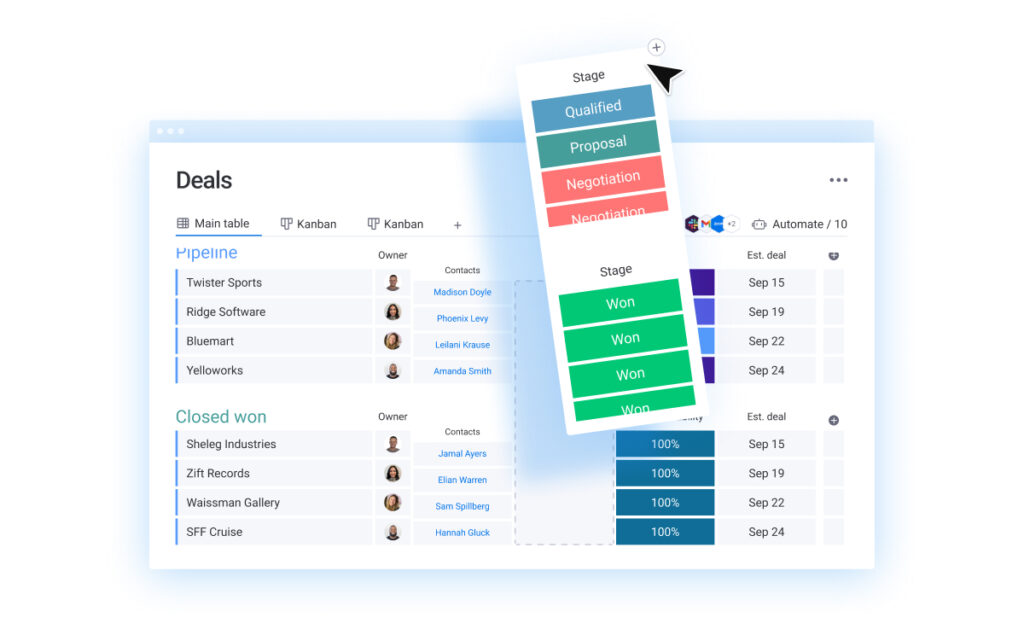
Investing in a basic CRM system can be a smart move for businesses of all sizes. By leveraging the power of customer relationship management, you can foster stronger connections with your audience, optimize your sales processes, and ultimately drive growth. Whether you’re a solopreneur or a small team, a basic CRM can provide the structure and insights you need to succeed in today’s competitive landscape. So, take the time to explore the available options, select the right solution for your business, and embark on a journey of enhanced customer engagement and lasting success.
FAQ Summary
What are the main differences between basic and advanced CRM systems?
Basic CRM systems focus on essential functionalities like contact management, lead tracking, and basic reporting. Advanced CRM systems offer more complex features such as marketing automation, sales forecasting, and advanced analytics.
How much does a basic CRM typically cost?
Basic CRM systems can range in price from free to a few hundred dollars per month, depending on the features and functionality offered.
Can I integrate a basic CRM with other business tools?
Many basic CRM systems offer integrations with popular business tools such as email marketing platforms, accounting software, and social media platforms.
Is a basic CRM suitable for all businesses?
While basic CRM systems can be beneficial for many businesses, they may not be sufficient for organizations with complex sales processes or large customer bases. Consider your specific needs and requirements before making a decision.